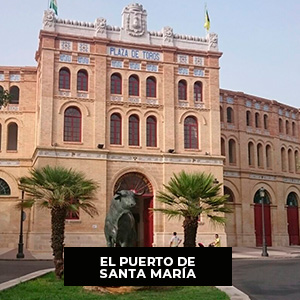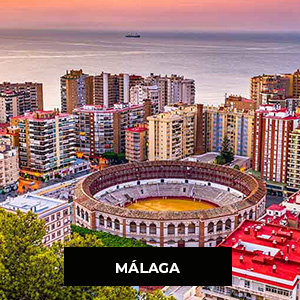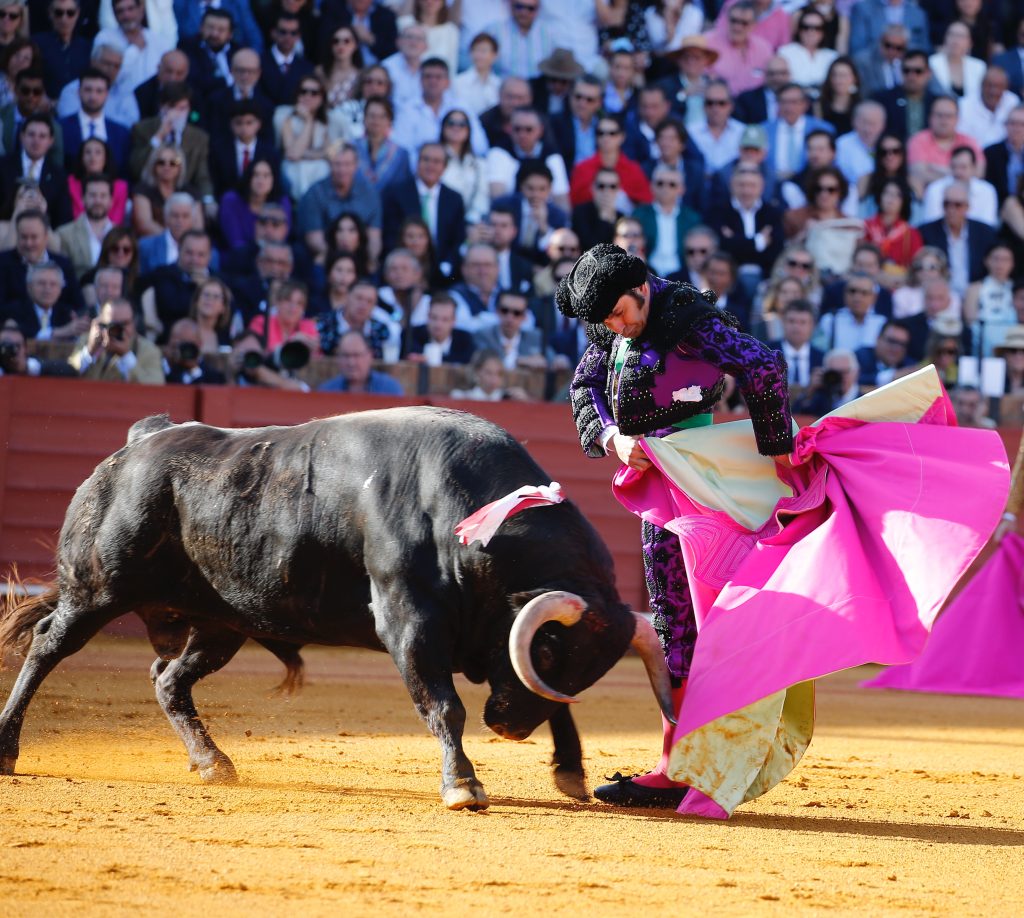
It is one of the most recognisable styles in the art of bullfighting and one with the greatest following, both in the ring and in the stands. But what exactly is the Sevillian School of bullfighting, and what does it represent? Why do not all bullfighters from Seville belong to it? Here, we explain everything.
The Sevillian School of bullfighting is not a formal institution or an official body, but rather an artistic and technical legacy that defines a particular way of performing in front of the bull. It is characterised by elegance, composure, depth and aesthetic beauty. This tradition was shaped by great historical figures closely linked to the city of Seville and its surrounding province, and it remains alive today through regional bullfighting schools and successive generations who have embraced and continued this “doctrine”.
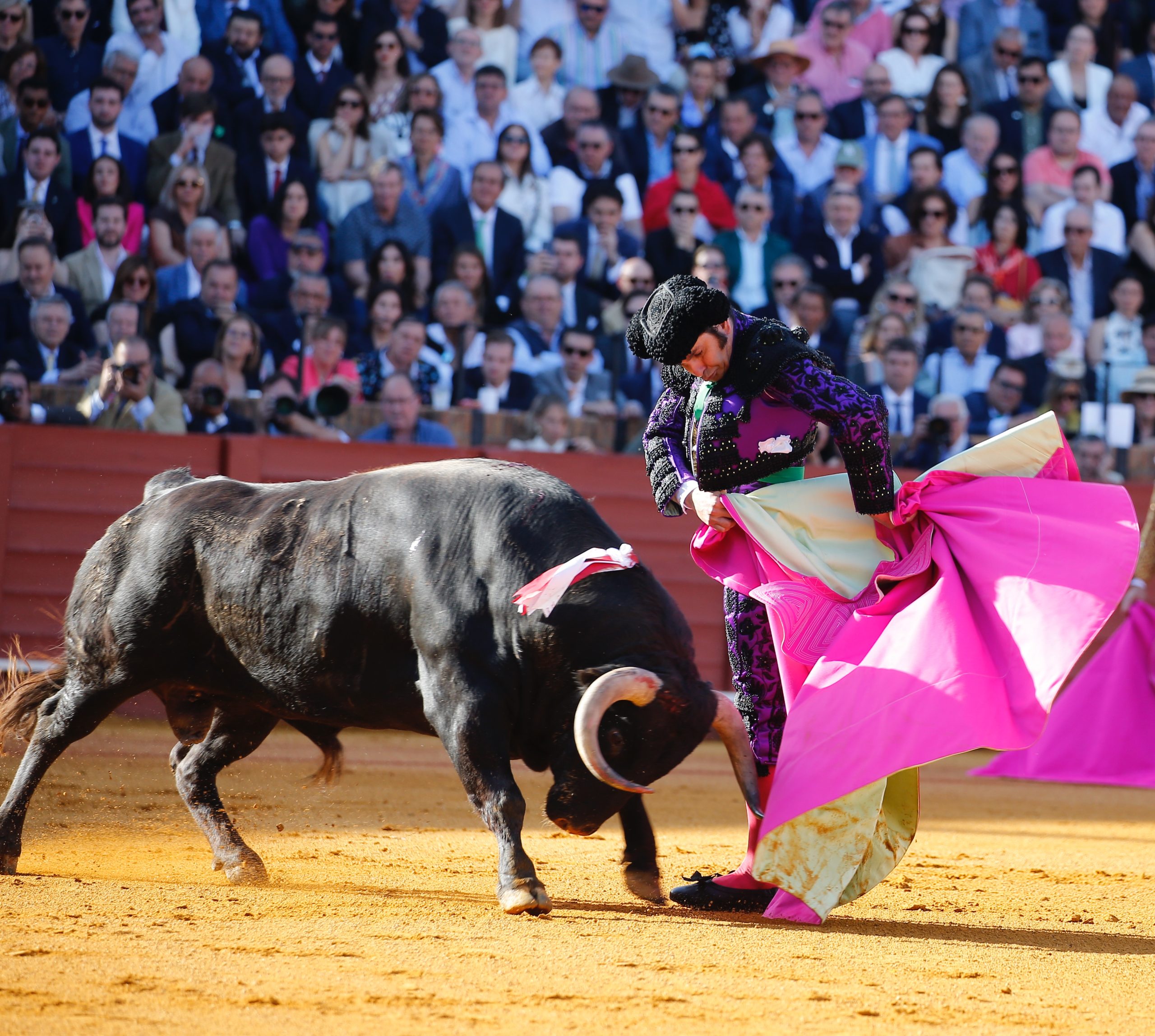
1.- Poise (Temple): This style prioritises calmness, smooth and unhurried movements, and control when executing each manoeuvre. The aim is to soften the bull’s charge and guide it gently with the cape or muleta, rather than dominating it through sheer bravery or physical strength. In the Sevillian School, expression and feeling take precedence.
2.- Purity: Great importance is placed on aesthetic form, but also on correct positioning and timing according to classical principles. The objective is to link passes with cleanliness, continuity and, above all, harmony — both with the cape (capote) and the muleta.
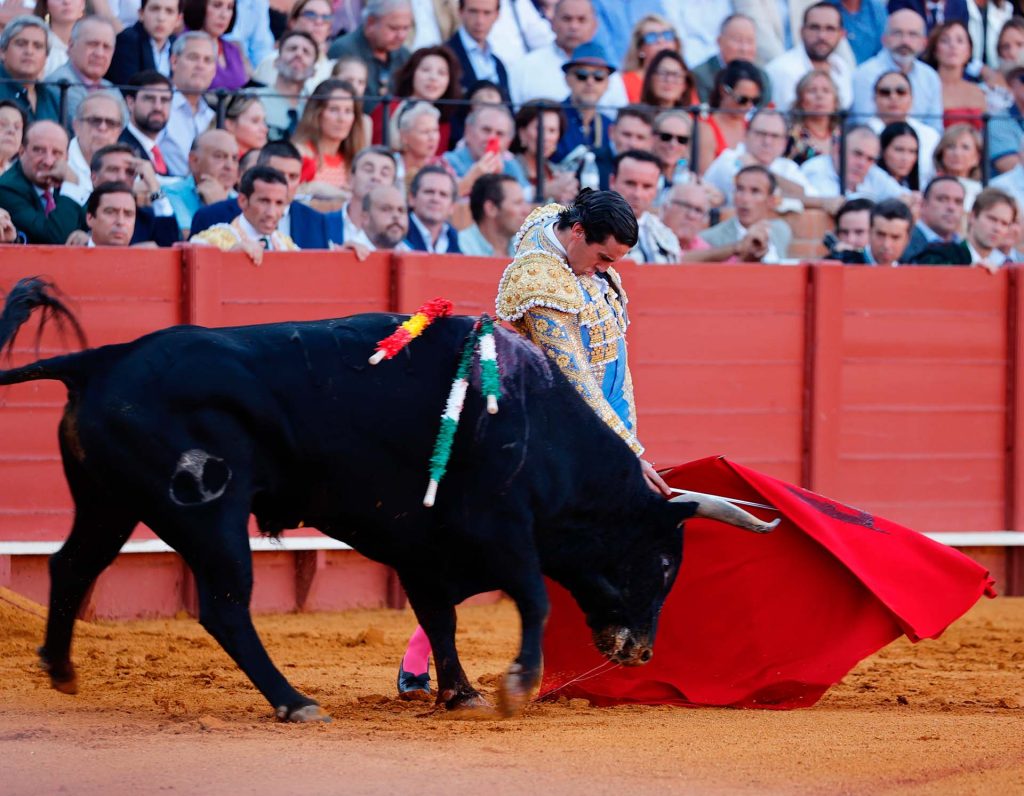
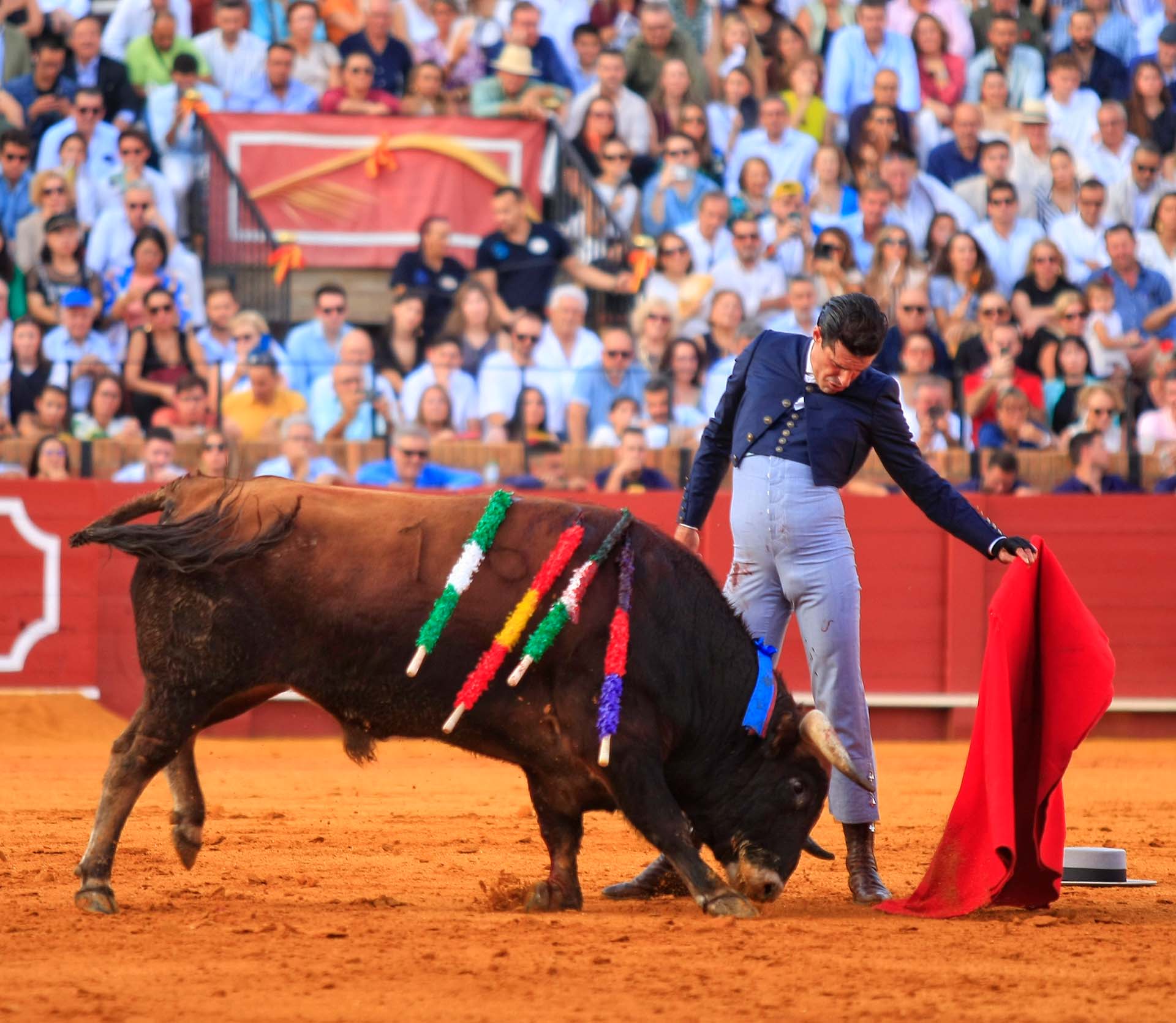
3.- Emotion: This school is highly expressive, but above all, it is filled with genuine emotion. This quality is perhaps the one that reaches the audience most clearly, as true feeling cannot be copied or imitated — it must come from within.
4.- Grace: The bullfighter always moves with natural elegance, maintaining a classic and refined posture. Each movement becomes an artistic composition in which charm, inspiration and grace are ever-present.
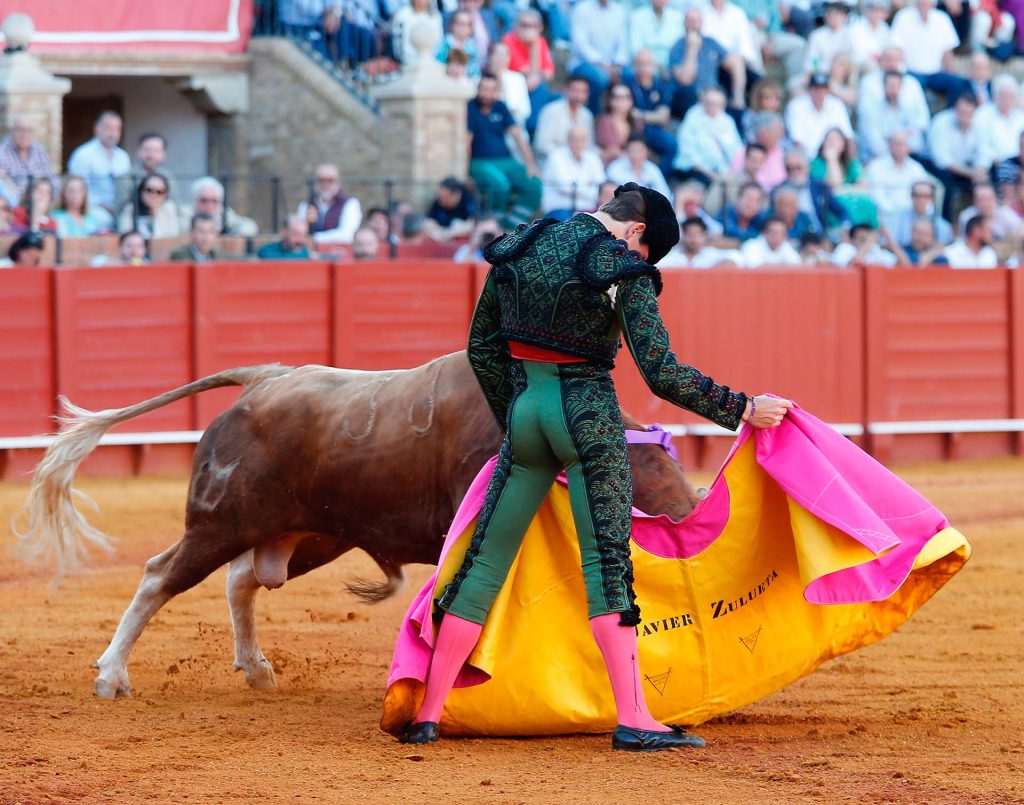
5.- Distance: This is the most technical of all the defining traits. It involves mastering distance — whether calling the bull from afar to reduce and smooth the charge using its own momentum, or working at medium and close range, where the bull’s movement is guided and accompanied with greater subtlety.
6.- Key Figures: Many bullfighters have embodied this style, but some of the most representative — listed here in chronological order — include: Manuel Jiménez “Chicuelo”, Pepe Luis Vázquez, Pepín Martín Vázquez, Manolo Vázquez, Manolo González, Diego Puerta, Curro Romero, Manolo Cortés, Pepe Luis Vázquez (son), Fernando Cepeda, Morante de la Puebla, Juan Ortega, Pablo Aguado, and the recently promoted matador Javier Zulueta.
Official box office for bullfighting tickets. Secure the best seat by buying your tickets in advance. Show schedule, prices, and seating information.
Buy tickets


This website uses its own and third-party cookies to obtain statistics on the user's browsing habits, improve your experience and allow you to share content on social networks. You can accept or reject cookies, as well as customise which ones you want to disable. Our Cookies Policy